Right-size the assortment
Reduce duplicate themes and keep each set tied to a clear age stage or play outcome. A tighter range lowers excess packaging and helps shoppers choose with less browsing waste.
Knex treats sustainability as a set of practical choices around toy life, packaging restraint, and responsible material communication. The goal is not a vague green claim; it is a better path from retail shelf to home storage, where construction sets can be rebuilt, shared, and kept in use across more than one play season.
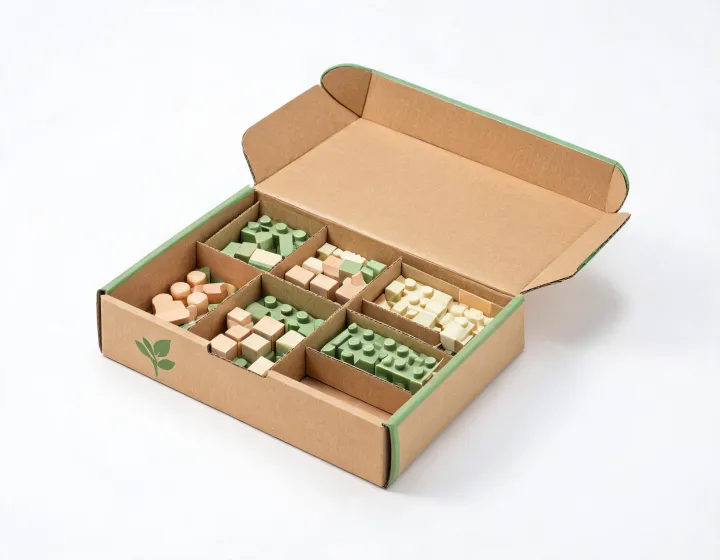
This planning model helps buyers discuss impact in concrete terms without pretending that every product decision can be reduced to one number.
Reduce duplicate themes and keep each set tied to a clear age stage or play outcome. A tighter range lowers excess packaging and helps shoppers choose with less browsing waste.
Prioritize components that can be assembled in multiple ways. Rebuildable play gives the toy a longer useful life and supports sibling hand-downs or classroom rotation.
Use direct language around non-toxic finishes, responsible paperboard paths, and small-parts warnings. Clearer information reduces returns caused by mismatched expectations.
Seasonal gift edits should refresh themes without forcing a full reset of the range. Stable core sets can carry demand while limited stories add timely interest.
Each case reflects a toy-specific improvement that a buyer or parent can actually recognize.
A core tub with flexible pieces can support open-ended play for years. The sustainability benefit comes from repeat use, not a decorative label on the box.
Character sets can use compact windows, clear part maps, and reduced filler while still showing enough detail to support confident gift purchases.
When products are grouped by age and play outcome, shoppers are less likely to buy the wrong level and return an otherwise useful toy.
Share your category goal, preferred age bands, and packaging constraints. We will help shape a range that stays efficient without losing play appeal.